How to Enjoy a Small Motorcycle Museum Without Knowing Engines
A small motorcycle museum, workshop display, or collection can be interesting even if engine sizes and model histories mean very little to you. Motorcycles are compact designed objects: almost every component is visible, and function, material, and style sit close together.
Start with the silhouette
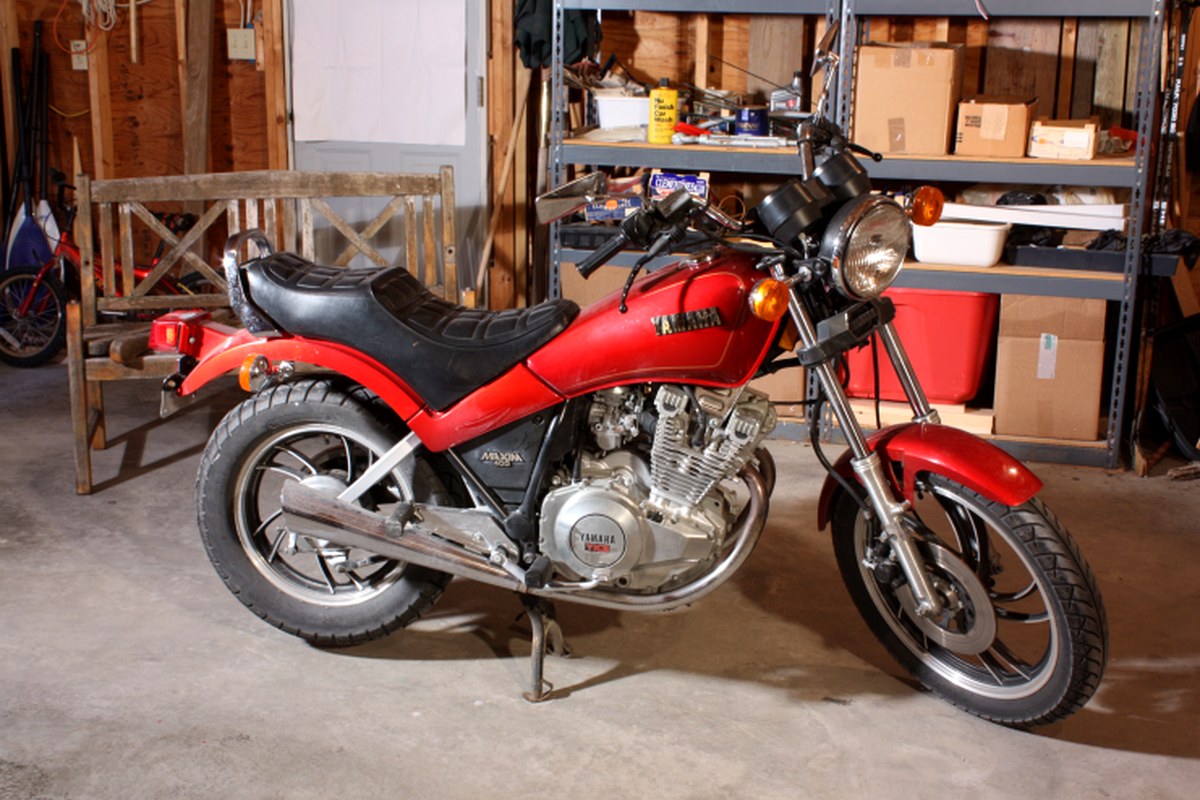
Before reading a label, stand back and look at the overall shape. Notice how high the seat sits, how far the handlebars reach, the angle of the fuel tank, and the relationship between the wheels and the frame. Two machines built for different purposes can look dramatically different even when you cannot name either category.
Comparing silhouettes is an easy entry point because it depends on observation rather than technical knowledge.
Look for materials and signs of use
Painted metal, polished aluminum, chrome, rubber, leather, plastic, and exposed fasteners all age differently. On restored machines the surfaces may look almost new; on working or preserved examples, scratches and discoloration can reveal where hands, boots, tools, heat, and weather have left marks.
Those marks make the object easier to understand. A worn grip or scuffed side panel often explains how a rider physically interacted with the machine more clearly than a specification card can.
Follow the controls
Without touching anything, trace the path from the rider’s position to the controls. Where are the levers, pedals, switches, mirrors, gauges, and footrests? Older motorcycles can be especially interesting because familiar functions may be arranged in unfamiliar ways.
This turns the display into a small exercise in industrial design: how did the maker fit many necessary actions into a narrow machine while keeping them reachable?
Read one story instead of every label
If the museum provides dates and model histories, choose one or two motorcycles that caught your eye and read about those in detail. Learning why a particular machine was built, who used it, or what problem it tried to solve is often more memorable than scanning every year and engine figure in the room.
You may discover that your interest is less about motorcycles themselves and more about manufacturing, travel, advertising, restoration, or design history. That still makes the visit worthwhile.
Finish by comparing your first and last favorite
Before leaving, return to the machine that first caught your attention and compare it with the one you like most after the visit. The answer may have changed. Perhaps a plain working bike became more interesting than the polished showpiece, or a detail you initially ignored became the part you remember.
A small collection rewards this kind of slow comparison. You do not need mechanical expertise to appreciate how an object is shaped, used, repaired, and cared for.