One Camera, One Block: A Practice Walk for Better Photos
A useful photography walk does not need a beautiful destination. In fact, a familiar block can be better practice because you stop waiting for the place itself to provide the picture. The challenge becomes finding a frame through position, distance, timing, and light.
Set one boundary before you start
Choose a single block, courtyard, square, or short stretch of street and stay there for twenty to thirty minutes. If you use a camera with interchangeable lenses, pick one lens and leave the rest in the bag. A phone works just as well for the exercise.
The boundary removes the temptation to keep moving in search of something more photogenic. Once you know you are staying put, small changes begin to matter: the angle of a doorway, reflections in glass, a shadow crossing a wall, or the spacing between people.
Make three versions of the same subject
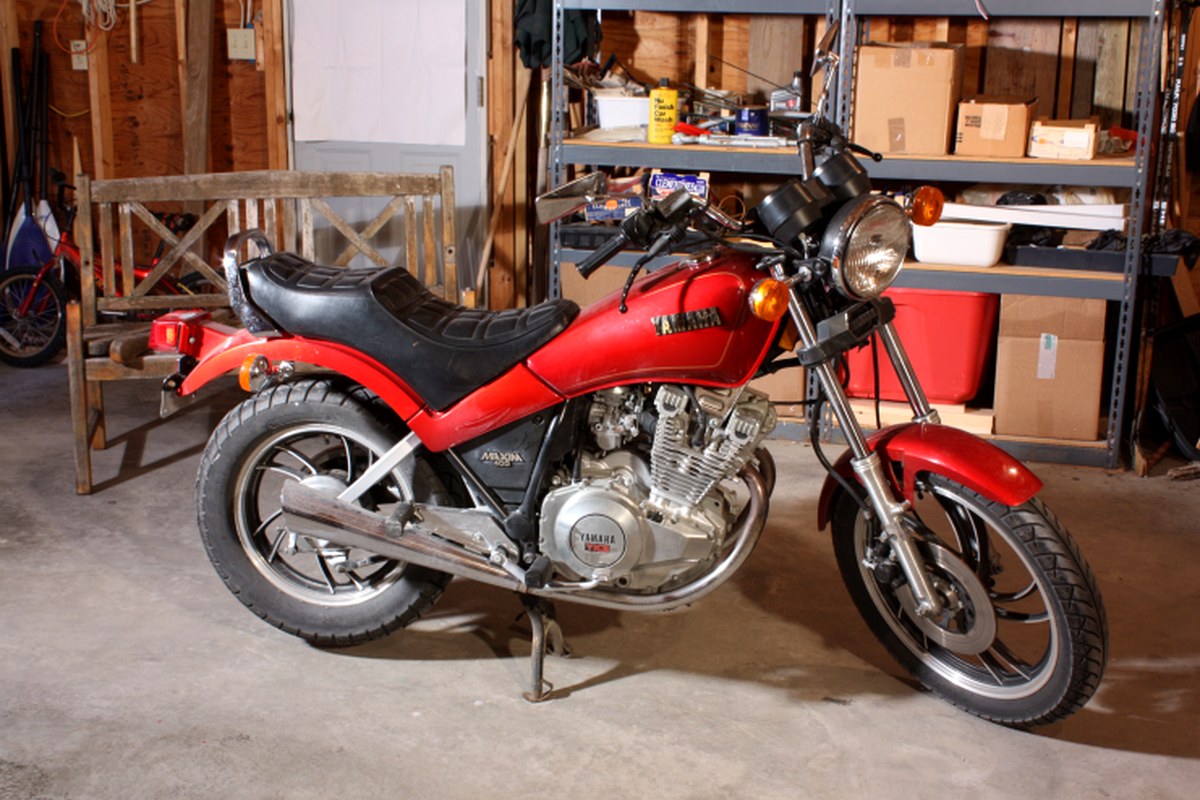
Choose something ordinary—a bicycle, a window, a tree, a bench, a sign—and photograph it from three clearly different positions. One frame might show the subject in context, another might move closer, and a third might use foreground or background shapes to change the relationship between elements.
Do not decide too quickly which version is best. The point is to experience how much the photograph changes when your feet move. Zooming can alter the frame, but stepping left, right, forward, or back changes the geometry of the scene.
Wait for the frame to change
After composing a scene, stay with it for a minute. Light may shift. A person may pass through. A car may leave and reveal a cleaner background. The image does not always improve, but waiting teaches you to separate framing from timing.
This is especially useful in places you already know. Familiarity can make a street feel visually finished before you raise the camera. Waiting restores a little uncertainty.
Review for decisions, not winners
When you get home, look through the photographs and ask what changed between versions. Did moving closer remove clutter? Did a lower angle help or only feel dramatic? Did the frame become stronger when someone entered it, or did the added activity distract from the subject?
Keep a few images that show different decisions, even if none feels exceptional. Practice photographs are evidence of choices. Their value is not limited to whether they deserve to be posted or printed.
Repeat the same block later
If the exercise was useful, return on another day at a different time. The location will be almost identical, but the light, weather, traffic, and your own attention will not be. That makes comparison easier than visiting a completely new place each time.
Good photography practice often comes from reducing options. One camera, one block, and a short period of focused looking can teach more about framing than a long walk spent searching for a perfect subject.