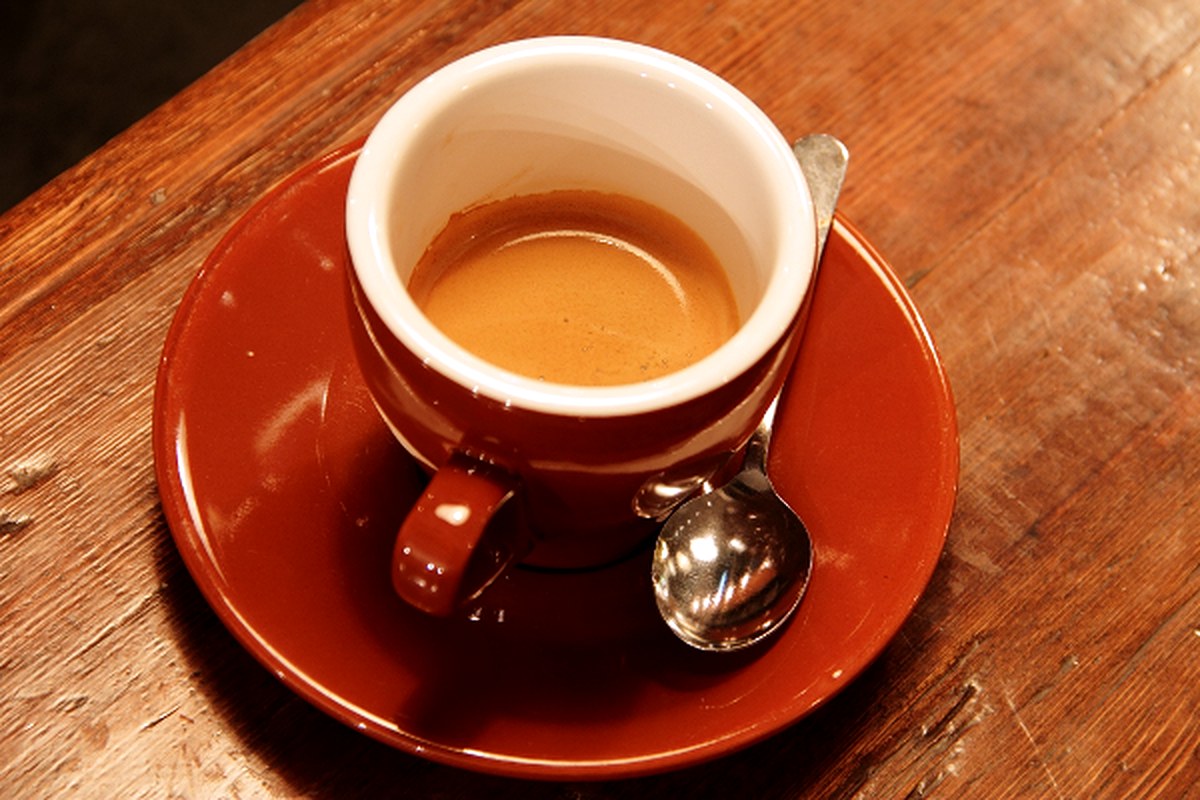
Taste the Coffee Before You Change It
Most coffee routines happen on autopilot. The cup is poured, milk or sugar goes in, and the first real taste arrives halfway through the drink. There is nothing wrong with that, but taking one unmodified sip first can make an ordinary coffee break feel more deliberate. You do not need tasting vocabulary, special equipment, or a notebook. You only need a few seconds of attention.
Take the first sip while the cup is still hot
Freshly poured coffee can hide some of its character behind heat. Start with a small sip rather than a large mouthful. Notice what reaches you first: roasted bitterness, a sweet impression, a dry finish, a soft texture, or simply warmth. There is no correct answer. The useful part is establishing a starting point before you change the drink.
Smell matters too. Instead of trying to name a precise aroma, ask whether it feels light or heavy, sharp or mellow, familiar or unusual. Broad comparisons are often more useful than forcing the cup into a list of tasting notes.
Let temperature do some of the work
Coffee changes as it cools. After five or ten minutes, take another sip before adding anything. A cup that seemed blunt when very hot may become sweeter or clearer. Another may feel flatter. This is one of the easiest ways to learn what you actually enjoy because the variable changes on its own.
If you usually drink quickly, simply placing the cup down between sips can stretch the experience without turning it into a ceremony. The aim is not to drink cold coffee; it is to notice that the middle of the cup can taste different from the beginning.
Change one thing at a time
If you want to adjust the drink, make one small change rather than several. Add a little milk, then taste. If you use sugar, add less than usual and see whether the cup still feels balanced. If you brew at home and the coffee consistently tastes too strong or too thin, change the amount of coffee or water on the next brew, but not both at once.
This keeps the routine understandable. When several variables move together, it is hard to know which change actually helped.
Use plain language
You do not need professional terms to remember a cup. A few ordinary descriptions are enough:
- bright or mellow
- light or heavy
- clean or lingering
- sweet, dry, bitter, or balanced
- better hot, warm, or cooler
These words are not grades. They are shortcuts for your own preference. Over time, you may notice that you repeatedly prefer one kind of cup in the morning and another after lunch.
Keep the ritual small
The best version of this habit is one you can forget about on busy days and return to easily. You do not need to analyze every coffee. Try it when the cup smells especially good, when you are using new beans, or when you have a quiet ten minutes.
Paying attention before making changes has a broader benefit: it separates habit from preference. Sometimes the familiar addition is exactly what makes the drink enjoyable. Sometimes you discover that the coffee already has enough sweetness or body on its own. Either result is useful because it comes from tasting rather than assumption.
A coffee break does not need to become a hobby to become more interesting. One unmodified sip, a little patience as the cup cools, and one change at a time are enough to make the routine feel more personal.